
Assist Lab × Biomechanics
20 Hours | Professional Training | Hands-On | Biomechanics
Vienna, AUSTRIA
20-21 November
Small Group | Max.14 participants
English language
Early bird: 520€ until 30 April 2027 (only 6 spots)
Standard: 550€ from 1 May to 31 August 2027
Regular: 590€ from 1 September 2027
Foundation Hands-On Assists graduates: 10% off the current price (not combinable with early bird).
*Includes Manual*
*Prerequisites: a completed 200-hour teacher training, and the Foundation Hands-On Assists course or equivalent assisting experience.*
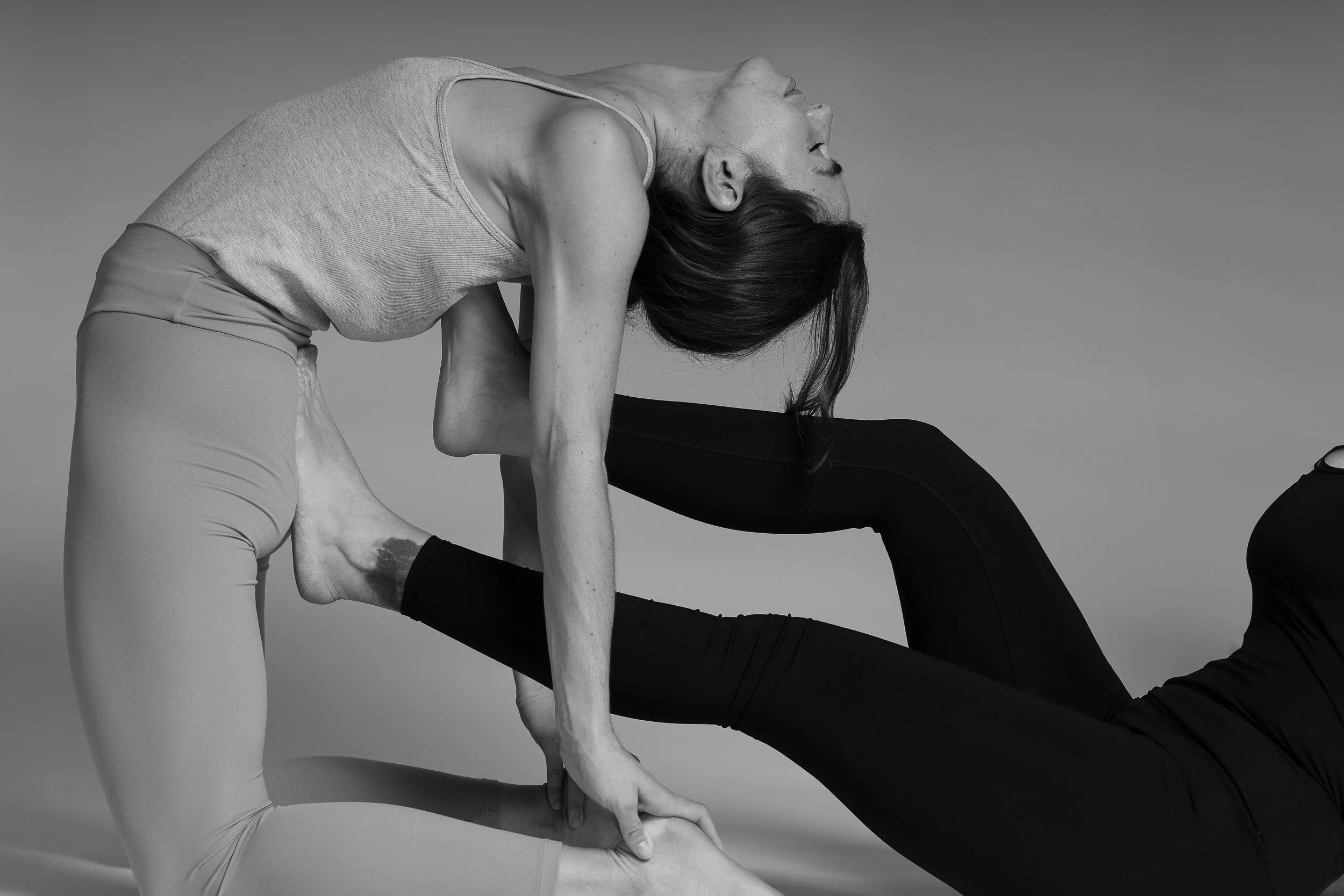
Advanced assisting isn't about knowing more techniques.
It's about making better decisions.
You already know how to assist. But do you know why a student can't go deeper: is it their joint structure, tight tissue, missing strength, or simply a movement they haven't learned yet? And once you know, do you give an active cue, a passive assist, a prop, a few words, or nothing at all?
This 20-hour training brings together dynamic vinyasa practice and biomechanics to answer exactly those questions. Over one weekend, we work in depth with key poses, from forward folds and splits to backbends, arm balances and inversions, and use them to build principles you can apply to every pose you teach.
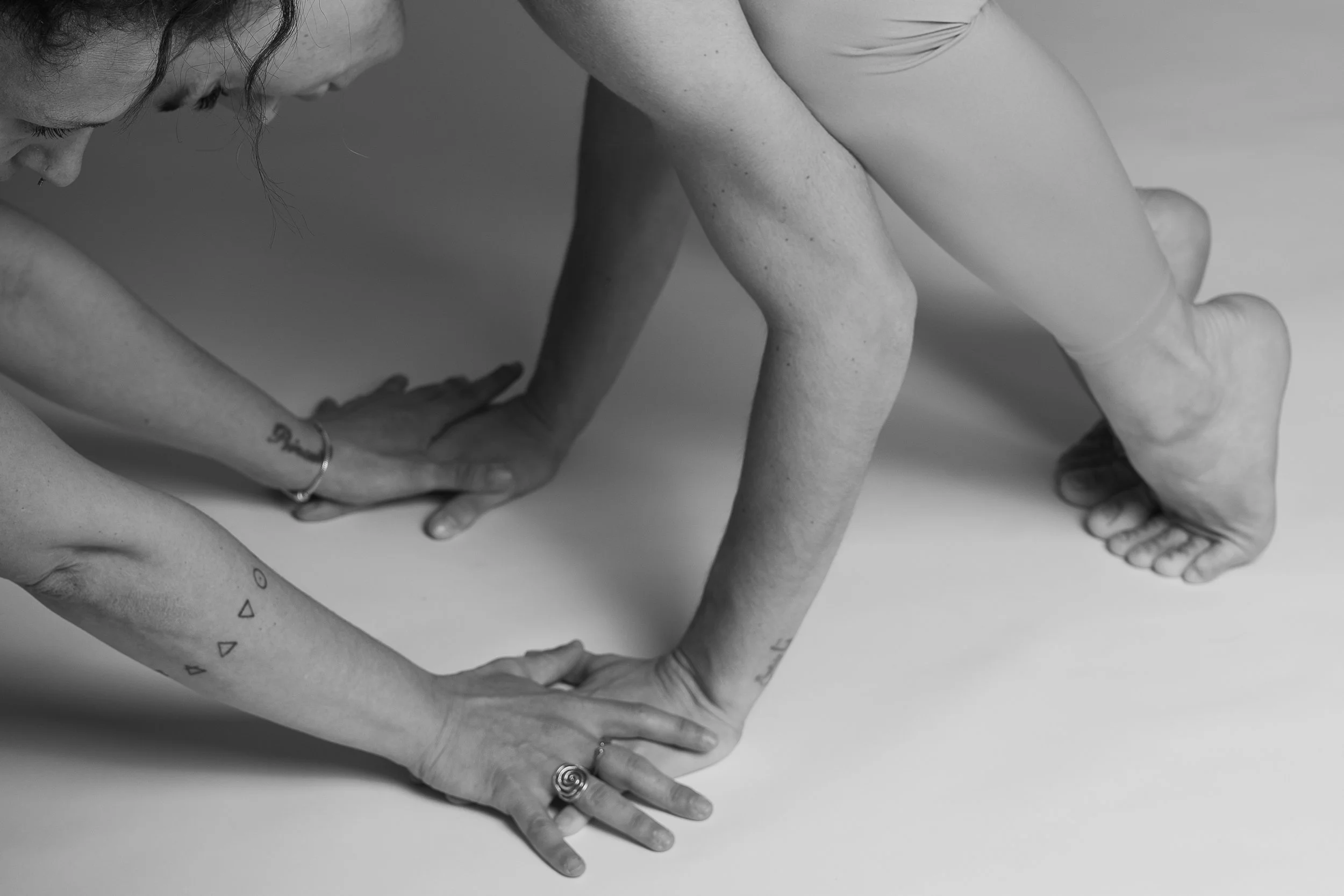
Is this for you?
You teach vinyasa, Ashtanga, Rocket or another dynamic style
You already give hands-on assists and want to understand the reasoning behind them
You want to work with different bodies instead of one ideal shape
You'd like to teach and spot handstand and Pincha Mayurasana with confidence
What you'll learn
The difference between active and passive range of motion, and when exploring passive range is useful (and when it isn't)
Four ways to assist: active, passive, prop-based and non-touch
How to use PNF and reciprocal inhibition in hands-on work
How to observe an individual body and recognise what is really limiting a movement
Functional warm-ups that prepare a range before you assist into it
Spotting techniques for handstand and Pincha Mayurasana, and when a student needs to build strength instead of receiving an assist
How to keep consent clear and ongoing, even mid-assist
What makes it different
Decisions, not recipes No single "correct" assist per pose. You'll learn to ask the right questions and choose the approach that fits the person in front of you.
Science meets practice Two teachers, two perspectives: the flow and assisting experience of dynamic yoga, and the clear reasoning of biomechanics.
Inversions in depth Sunday opens with a co-taught handstand and Pincha workshop, followed by a full biomechanics session and spotting practice.
Small group, lots of practice Maximum 14 participants. You'll practise every assist in groups of two or three, giving, receiving and observing, with feedback from both teachers.
your teachers
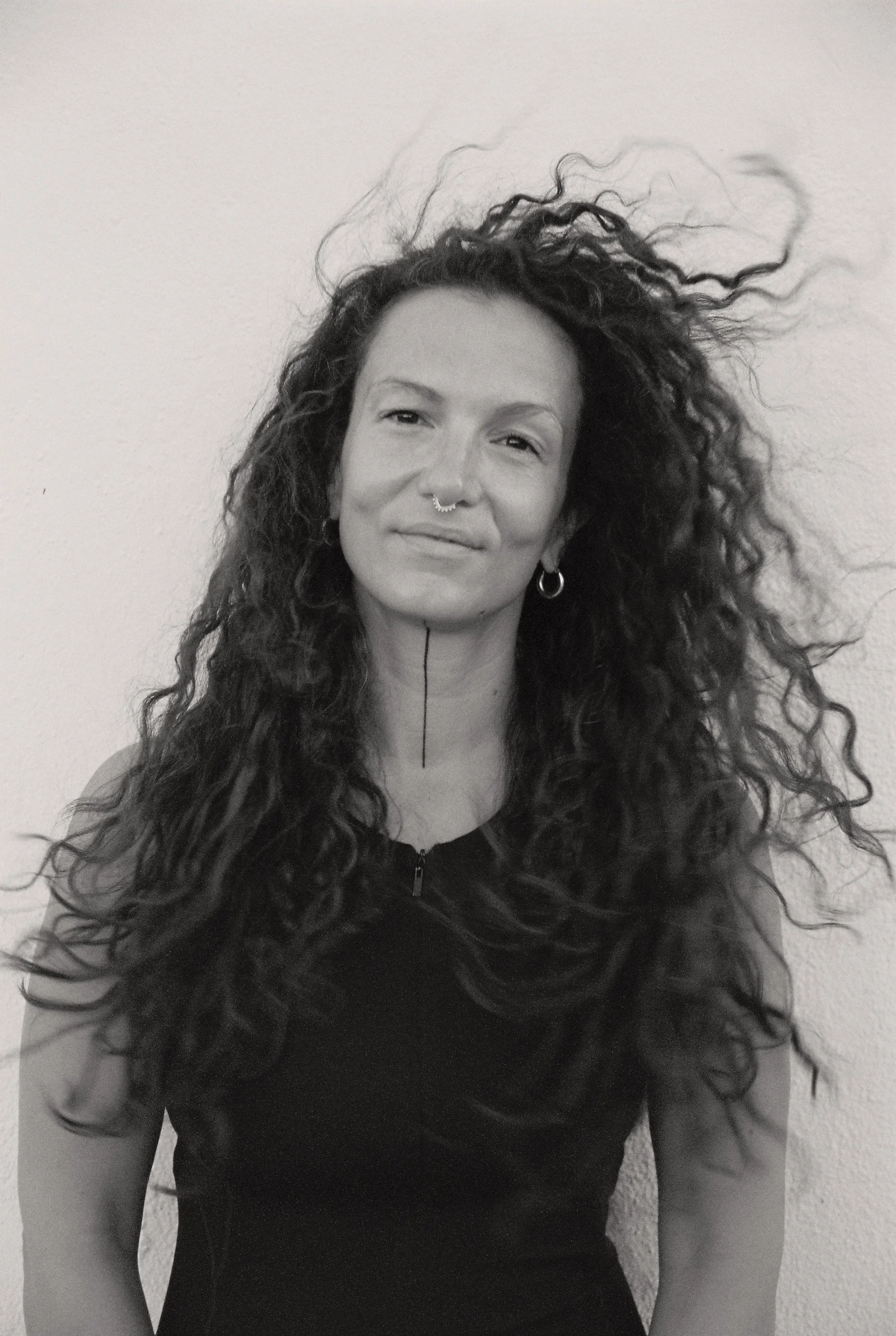
Vasiliki is an E-RYT 500 and Authorized Rocket Yoga Level 1 teacher, known for her passion for hands-on assists. She roots her teaching in traditional yoga principles and brings a contemporary understanding of the individual body. Her classes feel grounded and connected, and she leads students from dynamic movement into stillness, breath and presence.
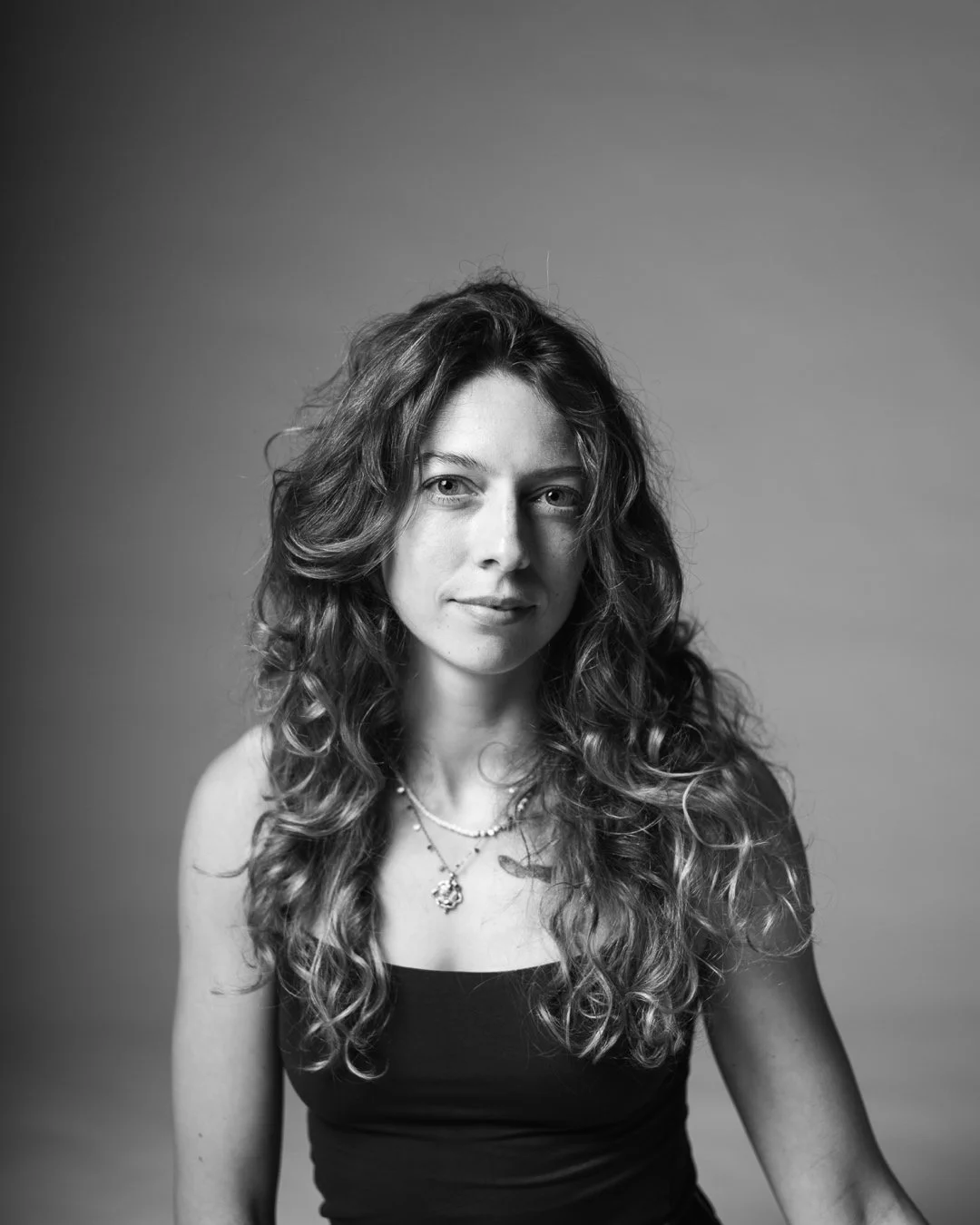
Josefine is an E-RYT 500 yoga teacher with a background in Chaitanya Vinyasa and Awakening Yoga. Her teaching draws on functional movement, biomechanics, strength and mobility, combining traditional yoga principles with a contemporary understanding of the body.
WHAT YOU WILL TAKE AWAY
A decision-making framework. Five questions and four ways to assist (active, passive, prop-based, non-touch) that you can apply to any pose, in any class.
A trained eye. The confidence to look at a student and recognise what is really limiting the movement: structure, soft tissue, strength, coordination or familiarity.
Hands-on experience. Every assist practised in small groups, as giver, receiver and observer, with feedback from both teachers.
Confidence with inversions. Clear spotting techniques for handstand and Pincha Mayurasana, and the knowledge of when a student needs strength rather than an assist.
Functional warm-ups you can bring straight into your own classes to prepare students for deeper ranges.
A course manual with observation notes for every pose, to keep and come back to.
Final call to action
Ready to assist with more confidence and more understanding?
Spaces are limited to 14 teachers.
-
Do I need to be able to do a handstand or Pincha Mayurasana? No. You'll learn to teach, assist and spot these poses. Your own practice is welcome at any level.
Can I join without the Foundation Hands-On Assists course? Yes, if you already have assisting experience. If you're not sure, write to us and we'll talk it through.
What if I miss part of the training? The certificate requires full attendance. Missed hours can be made up at the next edition.
What's the cancellation policy?
More than 6 weeks before the training: full refund.
6 to 2 weeks before: 50% refund.
Less than 2 weeks before, or no-show: no refund.
At any time, you can transfer your spot to another teacher free of charge, or move it to the next edition.
If we cancel the training (for example, if the minimum of 10 participants isn't reached), you receive a full refund.
-
Price
Early Bird 520€ until 30.04.2027
Regular 590€
Bank Account Details:
VASILIKI KARYDOPOULOU
IBAN: AT75 2011 1297 4073 9104
BIC/SWIFT: GIBAATWWXXX
When the payment is done, please send the confirmation via email to vasiliki@yujyogalab.com
After your registration, you will receive a confirmation email.